New Water
Using regional surface water for drinking water is one of the ways in which Europe is learning to adapt and prepare for climate change. Together with other Europeans, Dunea brings together knowledge for a future with sufficient drinking water. The NEW WATER-project helps to develop more knowledge about De Vliet and to share that knowledge widely.
The drinking water sector in North-West Europe is under increasing pressure due to longer periods of drought, pollution and a growing demand for water. Climate change is putting pressure on the availability of our current drinking water sources. The realisation of new and sustainable drinking water sources for households and industry is essential.
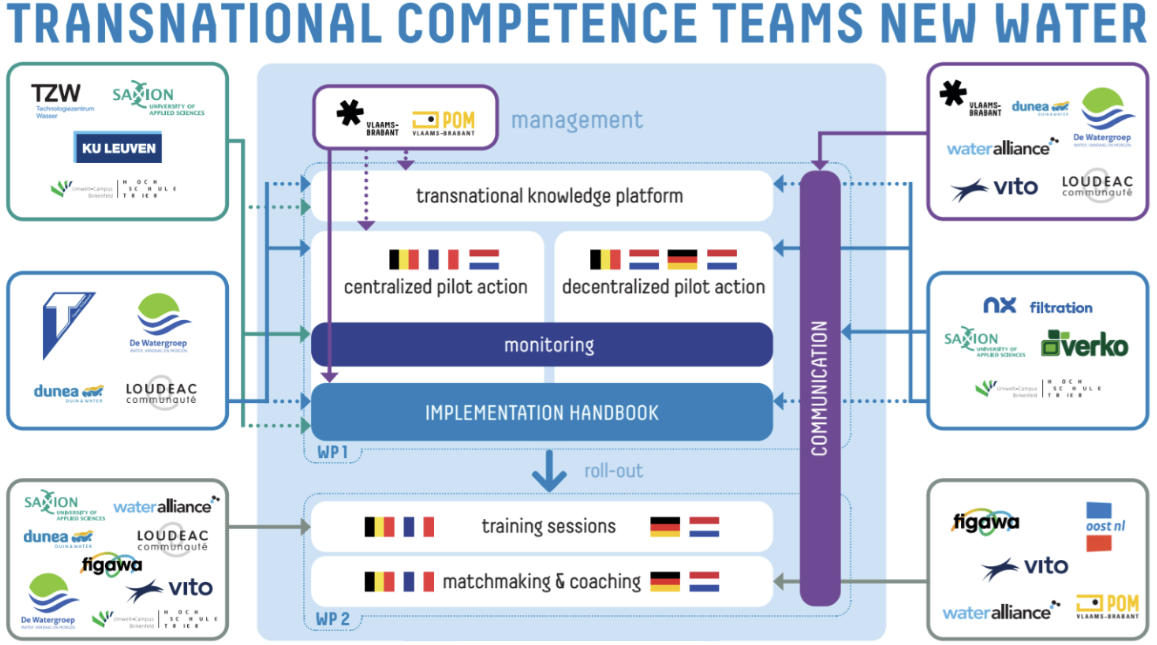
NEW WATER responds to this challenge. Partners in Belgium, the Netherlands, France and Germany are joining forces to research and test alternative sources: wastewater, rainwater and polluted surface water. The result of these tests will be incorporated into a handbook for the search, realisation and upscaling of alternative sources for drinking water, legally, technologically and practically: What is possible and what is not?
The research focuses on:
- opening up alternative water sources next to traditional sources;
- improving treatment technologies for complex water flows;
- developing knowledge and experience for large-scale application.
How to make the Vliet suitable for drinking water
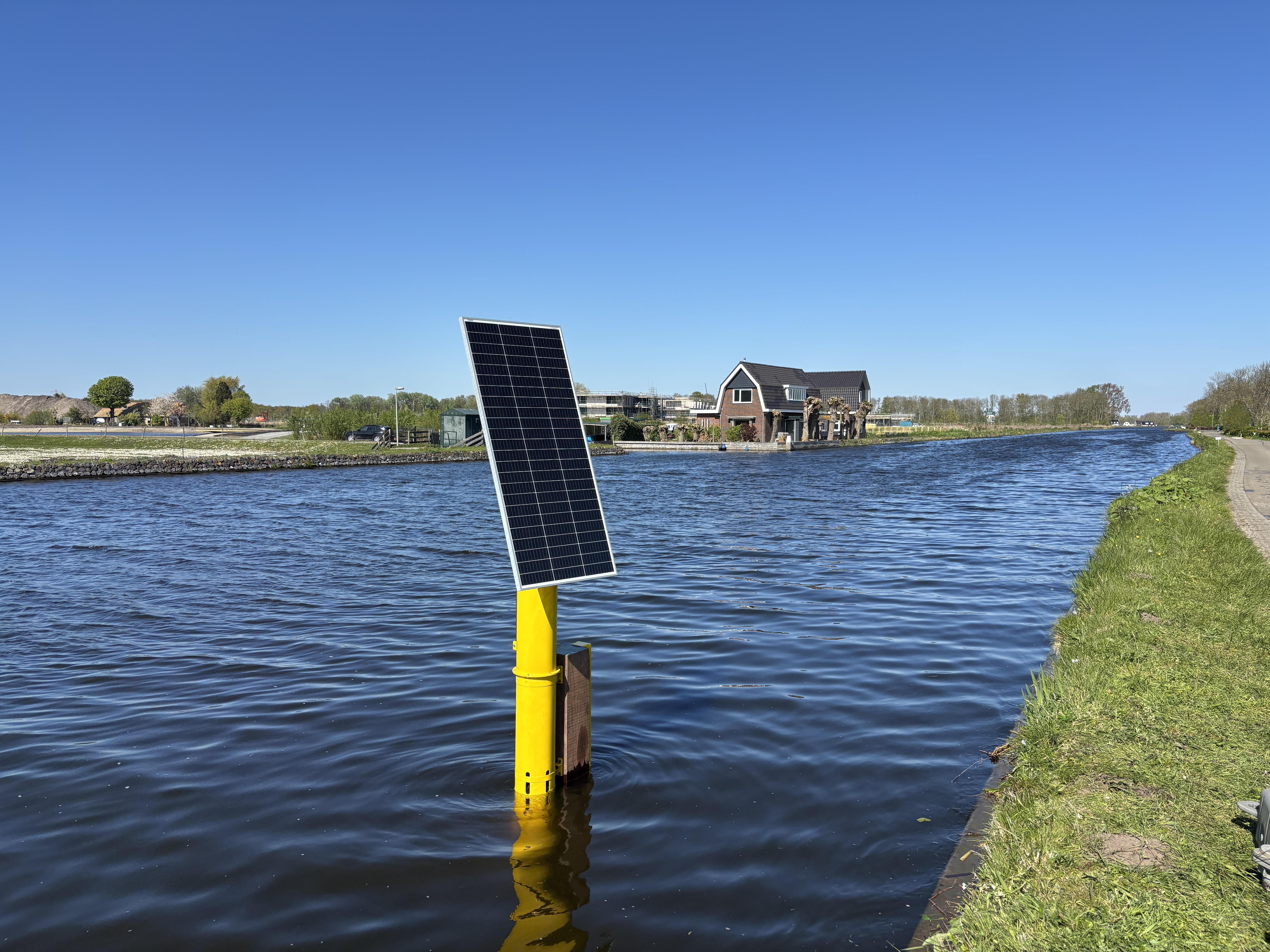
The future extra souce ‘De Vliet’ is regional surface water in an urban environment. It is the best available source in the region, but not the cleanest of waters. To know exactly what the water consists of throughout the year, Dunea continuously measures the quality, flow direction and more. This data must be analyzed over a long period of time and for specific substances and peaks. With this knowledge, the right pre-treatment techniques can be selected. What works well and what doesn't must be properly tested. The most efficient combination of techniques will be scaled up and built as a pre-treatment plant in the Leidschendammerhout.
Sharing, implementing and engineering knowledge
Dunea will have a central input in the NEW WATER knowledge platform and the implementation handbook that the consortium will compile. In terms of input on legal elements, Dunea will play a leading role for NL together with Saxion. Furthermore, it will work on the adoption of the handbook by the organization, which is important for the success of the project. Dunea will also work closely with LCBC (FR) and De Watergroep/TS (BE) to prepare, co-design and co-engineer the three pilot sites for centralized large-scale drinking water production.